



For decades, business success was measured only by profit. Today, a new business model is changing that mindset — social business. Social businesses aim to generate revenue while solving social, environmental, and community challenges.
This approach proves that companies can grow financially while making a positive impact on society. In the modern economy, customers, investors, and employees increasingly support organizations that stand for more than just profit.
What is a Social Business?
A social business operates like a traditional company but with a deeper mission. Instead of maximizing profit for shareholders alone, social businesses reinvest earnings into solving social problems such as poverty, education, healthcare, and environmental sustainability.
They are self-sustaining, scalable, and impact-driven. This model bridges the gap between charity and traditional enterprise, creating long-term solutions rather than short-term aid.
Why Social Businesses Are Growing Rapidly
Modern consumers care about where their money goes. They prefer brands that align with their values and contribute to a better world. Social media and digital transparency have made it easier for customers to evaluate company ethics and impact.
As a result, social businesses gain stronger customer loyalty, positive brand reputation, and long-term trust. Purpose has become a competitive advantage.
Technology Empowering Social Impact
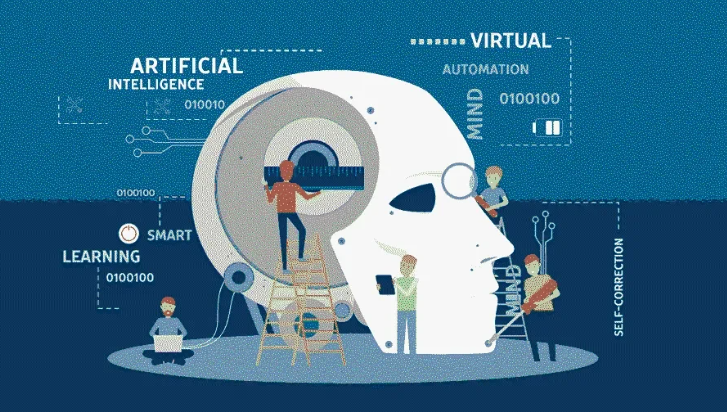
Technology plays a major role in scaling social businesses. Artificial Intelligence, Big Data, and digital platforms help organizations reach underserved communities, improve service delivery, and measure impact accurately.
For example, AI-driven education platforms provide learning opportunities in remote areas. Smart farming technologies support small farmers. Digital healthcare solutions bring medical services to regions without access.
Technology transforms good intentions into measurable results.
Sustainable and Ethical Business Practices
Social businesses prioritize sustainability. They reduce waste, use eco-friendly materials, support fair labor practices, and promote ethical supply chains.
This commitment to responsibility attracts investors seeking long-term, sustainable growth. It also encourages governments and global organizations to partner with social enterprises for large-scale development initiatives.
Creating Employment and Empowering Communities
A key strength of social businesses is job creation in underserved communities. By providing training, fair wages, and career opportunities, social enterprises empower individuals to become self-reliant.
This ripple effect strengthens families, boosts local economies, and reduces social inequality. A successful social business uplifts entire communities.
The Future of Business is Purpose-Driven
The world is shifting toward conscious capitalism. Investors, customers, and employees now expect companies to operate with integrity and purpose.
Social businesses represent the future of entrepreneurship — where success is measured not only by financial growth but also by positive impact. Companies that embrace this model today will lead tomorrow’s global economy.
Final Thoughts
Social businesses prove that profit and purpose can coexist. By solving real-world problems through sustainable enterprise, they create lasting change and inspire a new generation of entrepreneurs.
In the modern marketplace, doing good is no longer optional — it’s the smartest business strategy.



Hi, this is a comment.
To get started with moderating, editing, and deleting comments, please visit the Comments screen in the dashboard.
Commenter avatars come from Gravatar.