

Introduction
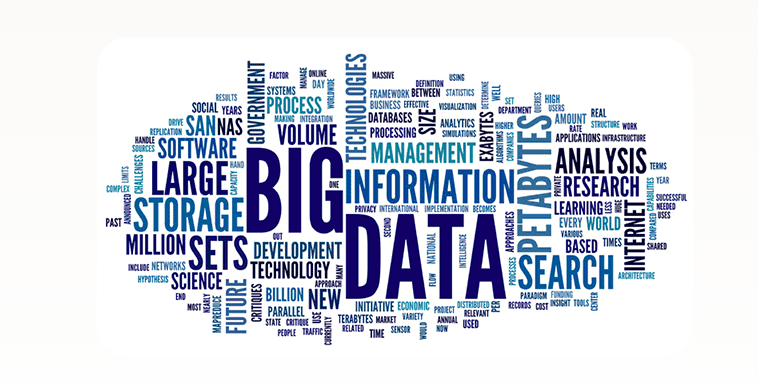
Every click, message, transaction, and online interaction generates data. In today’s digital world, data is being created at an extraordinary speed. But data alone is meaningless without the ability to understand and use it. This is where Big Data comes in.
Big Data refers to extremely large and complex datasets that traditional tools cannot process effectively. When analyzed correctly, Big Data becomes a powerful resource that helps businesses make smarter decisions, predict trends, and gain a competitive edge.
What Makes Data “Big”?
Big Data is defined by three key characteristics: volume, velocity, and variety. Businesses now collect massive volumes of information from websites, social media, customer interactions, sensors, and financial systems. This data arrives rapidly and in many different formats — text, images, videos, and numbers.
Managing and analyzing such diverse information requires advanced tools and intelligent systems. Companies that successfully harness Big Data turn information overload into valuable insight.
Data-Driven Decision Making
In the past, business decisions were often based on intuition and limited research. Today, Big Data enables organizations to rely on facts and measurable trends.
By analyzing customer behavior, purchasing habits, and engagement patterns, companies can understand what their customers truly want. This leads to better product development, more targeted marketing, and improved customer satisfaction.
Big Data replaces guesswork with confidence.
Personalizing Customer Experience
Modern customers expect personalized service. Big Data allows businesses to tailor experiences based on individual preferences, browsing history, and past interactions.
Online platforms recommend products, streaming services suggest content, and marketing campaigns target specific audiences — all powered by Big Data analytics. This personalization increases customer loyalty and improves conversion rates.
When businesses understand their customers better, they serve them better.
Improving Operational Efficiency
Big Data doesn’t just benefit marketing — it improves internal operations as well. Companies analyze workflow patterns, employee performance, inventory levels, and supply chains to identify inefficiencies.
With these insights, businesses can reduce waste, cut costs, and optimize resource allocation. From predicting maintenance needs in factories to streamlining logistics, Big Data makes operations smarter and more cost-effective.
Predicting Future Trends
One of the most valuable aspects of Big Data is predictive analytics. By examining historical data, AI-powered systems can forecast future trends, market demand, and potential risks.
This helps businesses plan ahead, adjust strategies early, and stay ahead of competitors. Predictive insights transform businesses from reactive to proactive.
Data Security and Ethical Responsibility
As data collection grows, so does the responsibility to protect it. Businesses must ensure customer data privacy, secure storage, and ethical data usage.
Trust is essential in the digital era. Companies that handle data responsibly earn stronger customer confidence and long-term loyalty.
The Future Belongs to Data-Driven Businesses
Big Data is no longer just a technology trend — it is a business necessity. Organizations that invest in data analytics gain faster insights, better decision-making, and greater adaptability in changing markets.
The future of business will belong to companies that know how to collect data, analyze it intelligently, and act on it effectively.
Final Thoughts
Big Data is the invisible engine behind modern innovation. It shapes marketing strategies, enhances customer experience, and strengthens business operations.
In a world overflowing with information, the real advantage lies in knowing how to turn data into direction.